Starting a new life in the Netherlands comes with many practical arrangements, and health insurance is one of the most important ones to take care of. Understanding how the system works will help you avoid unnecessary stress, unexpected costs, and ensure you have access to the care you need.
In this guide, we’ll walk you through the basics of the Dutch healthcare system and what to arrange as an expat.
Mandatory health insurance for expats
If you live and work in the Netherlands, you are required by law to take out Dutch public health insurance within four months of registering in the country.
Until you are fully registered, you can use a European Health Insurance Card (EHIC) . Once the four-month period has passed, you must have Dutch health insurance in place.
If you fail to arrange this on time, you may receive a fine, and in some cases your employer may register you and deduct the costs directly from your salary.

How the Dutch healthcare system works
The Dutch healthcare system is known for being accessible and high quality, but it is also structured around one key figure: the general practitioner (GP).
You must register with a local GP (huisarts), and they act as your first point of contact for almost all medical concerns. The GP will:
- Assess your health issues
- Provide treatment or prescriptions
- Refer you to a specialist if necessary
Without a GP referral, you generally cannot access hospital or specialist care (except in emergencies).
This system ensures efficient and organised healthcare, but it may be different from what expats are used to.

What basic insurance covers
(and what it doesn’t)
The standard Dutch health insurance package (basisverzekering) covers a wide range of essential medical care, including:
- GP visits
- Hospital treatment and specialist care (with referral)
- Prescription medication
- Basic maternity care
- Emergency care
However, there are also services that are not fully covered, such as:
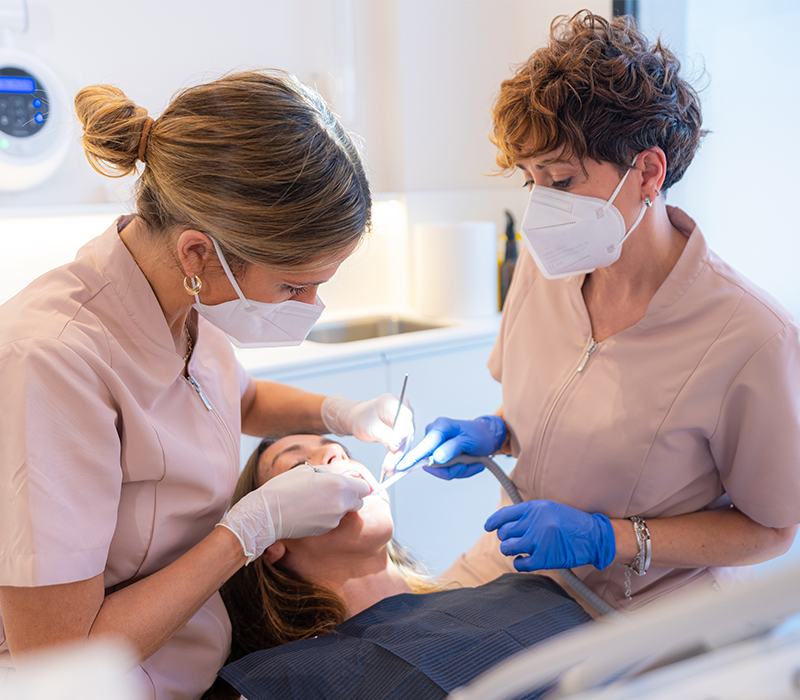
- Dental care for adults
- Glasses and contact lenses
- Additional maternity services
- Certain vaccinations
- Some psychological or counselling services
For these, you may need additional or supplementary insurance.
Additional and international health insurance options
Many expats choose to extend their coverage with supplementary insurance or international health insurance.
These options can provide extra peace of mind and may include:
- Faster access to specific treatments
- Coverage for dental care or vision care
- Additional mental health support
- Broader international coverage when travelling
Choosing extra coverage depends on your personal situation, health needs, and how long you plan to stay in the Netherlands.
The essentials to remember?
Health insurance is one of the first and most important steps when moving to the Netherlands. Once arranged, you can rely on a strong and well-structured healthcare system that ensures high-quality care when you need it.
Make sure you register on time, understand what your basic insurance covers, and consider additional options if needed.
At Wypoon, we support you beyond just your job. From relocation to essential practical matters like healthcare, we help you settle in smoothly so you can focus on building your life and career in the Netherlands.
get in touch
We would love to speak with you.
Feel free to reach out using the below details.