Moving to the Netherlands is an exciting step, but finding a place to live can be one of the biggest challenges. The Dutch housing market is known for being competitive, fast-paced, and sometimes overwhelming, especially if you’re new to the country.
From understanding where to look to deciding between renting or buying, we’ll guide you through the key things you need to know to find a home that fits your situation.
What to expect from the Dutch housing market
The housing market in the Netherlands is competitive, particularly in major cities like Amsterdam, Utrecht, and The Hague. Demand for housing is high, while supply is limited, which means you’ll often need to act quickly when you find a suitable place.
Rental prices can be higher than expected, especially in the Randstad region (the urban area in the west of the country). For example, renting an apartment in a city center can easily cost over €1,500 per month.
The good news? The market is slowly becoming more balanced. There are more properties available than before, and buyers and renters are getting slightly more time to make decisions. Still, preparation remains key.
Renting or buying: what suits you best?
Renting
Renting is often the preferred option for expats who are new to the Netherlands or planning to stay for a shorter period. It offers flexibility and fewer upfront costs. The Netherlands also has strong tenant protection laws, which means rental contracts are well regulated and landlords are responsible for major repairs.
However, finding a rental property, especially in larger cities, can be challenging due to high demand and limited availability.
Buying
Buying a home can be a good option if you’re planning to stay longer. Property prices have been rising steadily, and buying allows you to build equity instead of paying rent.
That said, buying comes with higher upfront costs, such as transfer tax, notary fees, and real estate agent costs. You may also encounter bidding wars, where homes are sold above the asking price. In fact, overbidding is still common in the Netherlands, although the market is becoming slightly less intense.
City vs. suburbs: where should you live?
Where you choose to live has a big impact on both price and lifestyle.
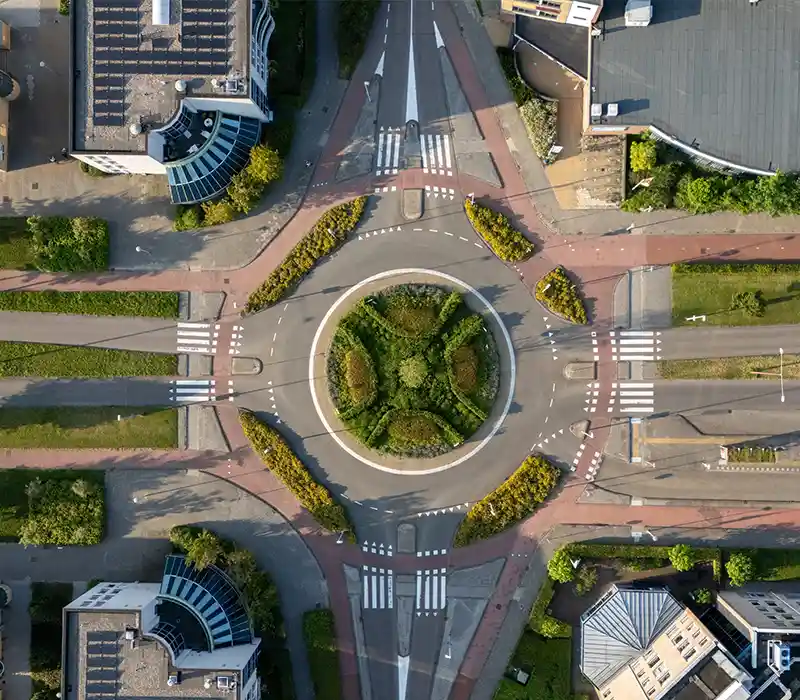
Living in major cities like Amsterdam or Rotterdam offers convenience, vibrant culture, and proximity to many tech jobs, but it comes at a higher price.
More and more expats are choosing to live in smaller cities or towns just outside these urban areas, such as Haarlem, Leiden, or Almere. These locations are often more affordable and offer more space, while still being well connected to major cities.
The Netherlands has an excellent public transport system, making it easy to commute. Trains, trams, and buses connect almost the entire country efficiently, so living outside a big city is often a very practical option.
Trends in the current market
The Dutch housing market is constantly evolving, and a few key trends are important for expats:
- More balanced market: There is slightly more supply, giving buyers and renters a bit more breathing room.
- Prices are still rising, but slower: Housing remains expensive, but price increases are less extreme than before.
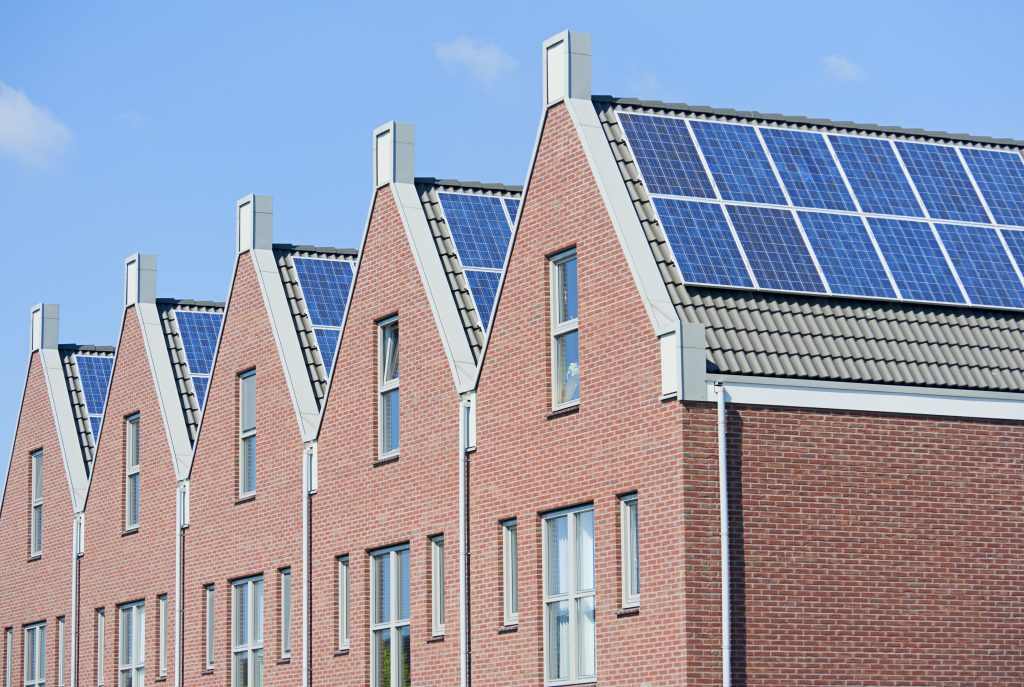
- Sustainability matters: Energy-efficient homes are becoming more popular and widely available.
- Suburban living is growing: More people are moving outside major cities for affordability and space.
Even with these changes, demand still exceeds supply in many areas, so competition remains strong.
Tips for finding a home in the Netherlands
Finding housing as an expat can be challenging, but the right approach makes a big difference:
- Start early: Begin your search before you arrive in the Netherlands.
- Act quickly: Good properties are often rented or sold within days.
- Use reliable platforms: Websites like Funda and Pararius are widely used.
- Understand the contracts: Some documents may be in Dutch, so don’t hesitate to ask for help.
- Consider professional support: Real estate agents or relocation services can guide you through the process.
Final thoughts
The Dutch housing market offers both challenges and opportunities for expats. Whether you choose to rent or buy, it’s important to understand how the market works and what to expect.
Think carefully about your budget, preferred location, and how long you plan to stay. While living in a major city may seem appealing, nearby towns can offer a more affordable and equally convenient alternative thanks to excellent public transport connections.
With the right preparation and support, you’ll be well on your way to finding a place to call home in the Netherlands, so you can focus on what really matters: building your new life and career.
Looking for guidance as you navigate the Dutch housing market? Wypoon also helps you enter and explore the housing market, making sure you find the best opportunities that fit your situation. If you choose to relocate and start a job in tech through Wypoon, you won’t have to navigate it alone.
get in touch
We would love to speak with you.
Feel free to reach out using the below details.